
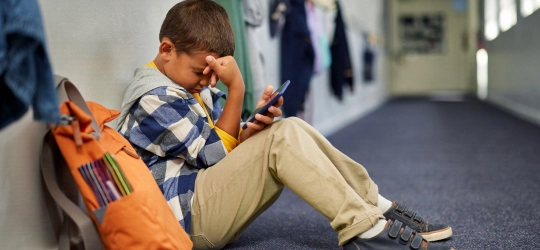
While back-to-school season brings excitement for many, it can also trigger anxiety and depression in some students. According to the American Psychological Association, over 20% of teens have seriously considered suicide. Younger children are also affected. To raise awareness and promote mental health conversations, pediatric psychologists Dr. Ericka Rutledge and Dr. Sucheta Thekkedam from SSM Health Cardinal Glennon Children’s Hospital share insights on recognizing warning signs, supporting children, and knowing when to seek help.
One common misconception is that mental health struggles and suicidal thoughts only affect teens. “It’s definitely a myth,” said Rutledge. “We’ve seen children as young as seven report these thoughts. Kids today are exposed to more information through social media and YouTube, and they often don’t fully understand the consequences of their actions.”
Thekkedam added, “Mental health is being talked about more openly now, and children are picking up on these conversations—often without fully understanding them. Unlike adults, kids may interpret slang or casual remarks literally, which can lead to confusion or distress.”
Both psychologists also emphasize the importance of not dismissing emotional distress as typical “teen moodiness.” “Sad thoughts should never be glossed over,” said Thekkedam. “If your child expresses distress, pause and ask questions. Your calm reaction is key.”
Rutledge agreed: “Kids may say things in the heat of the moment, but it’s important to take those statements seriously. Sometimes it’s the result of long-held feelings finally surfacing.” When it comes to suicide prevention, knowing what to look for is crucial. “Any change in behavior is a red flag,” said Rutledge. “Isolation, loss of interest in hobbies, declining grades, or giving away prized possessions are all signs to watch for.”
Parents often fear that asking about suicidal thoughts might make things worse. “That’s a myth,” said Thekkedam. “Asking questions does not increase risk—it opens the door to support. Many kids fear they’ll be hospitalized if they speak up, but often, with open dialogue and safety planning, we can avoid emergency interventions.”
So, when should a parent take their child to the ER? “It depends,” said Rutledge. “It’s scary for parents who aren’t trained in mental health. That’s why resources like the 988 crisis hotline are so valuable. It’s available 24/7 and offers phone and online chat support to assess the situation and connect families with help.”
“If your child is in immediate danger or experiencing a mental health crisis, the ER or an SSM Health Behavioral Health Urgent Care is the right place to go,” added Thekkedam. For ongoing concerns that aren’t emergencies, she recommends connecting with a psychologist, psychiatrist, or social worker for long-term care.
A key part of suicide prevention also includes reducing risks at home. “If your child is struggling, make sure firearms are locked away and inaccessible,” said Rutledge. “Even in families where firearms are part of the culture, like hunting, it’s important to recognize warning signs and secure weapons. We recommend all families use gun locks on every firearm and keep firearms in a locked area where kids don’t have access.”
Free gun locks are available at all SSM Health Emergency Rooms in the St. Louis region — including SSM Health Cardinal Glennon Children’s Hospital — and in both SSM Health Behavioral Health Urgent Care locations at SSM Health DePaul Hospital and SSM Health Saint Louis University Hospital.
Thekkedam also advises monitoring medications and other potential hazards. “Keep medications and sharp objects out of reach. If there’s concern about substance use, remove alcohol and other substances that could increase impulsivity.”
Daily habits can also make a big difference. “Teens naturally pull away from parents as part of development, but families can still model good self-care,” said Rutledge. “Check in with each other regularly. When life gets busy, it’s easy to overlook stress and mental health. Intentional pauses and open conversations help normalize mental health discussions.”
Thekkedam added, “Parents play a huge role by sharing their own feelings and showing that mental and physical health are connected. Just like we remind each other to drink water, we should check in on our mental well-being.”
Both psychologists want families to know that help is available, and that open communication can make a big difference. “Checking in with your kids, modeling healthy habits, and knowing when to seek help can go a long way in preventing crises,” said Rutledge.
“There’s no shame in asking for help,” added Thekkedam. “Together, we can support our kids and give them the tools they need to thrive.” As children return to school, both Thekkedam and Rutledge remind parents that school counselors are an important resource in creating a support network for kids. Connecting with your child’s school counselor can alert them to watch for concerning behaviors while at school.
If you feel your child may be struggling with their mental health, we recommend reaching out to your child’s pediatrician about behavioral health resources at SSM Health. Find more behavioral health resources.
link