

Child’s play can be great fun, except when it results in an unexpected visit to the pediatrician or eye doctor. UR Medicine pediatric ophthalmologist Dr. Benjamin Hammond, of the Flaum Eye Institute, offers insight on some common childhood eye injuries.
Toy tinkering
Each year, about 250,000 children are taken to hospital emergency rooms for toy-related eye injuries. Injuries frequently occur because a child uses a toy that isn’t appropriate for their age or uses it in an unintended way.
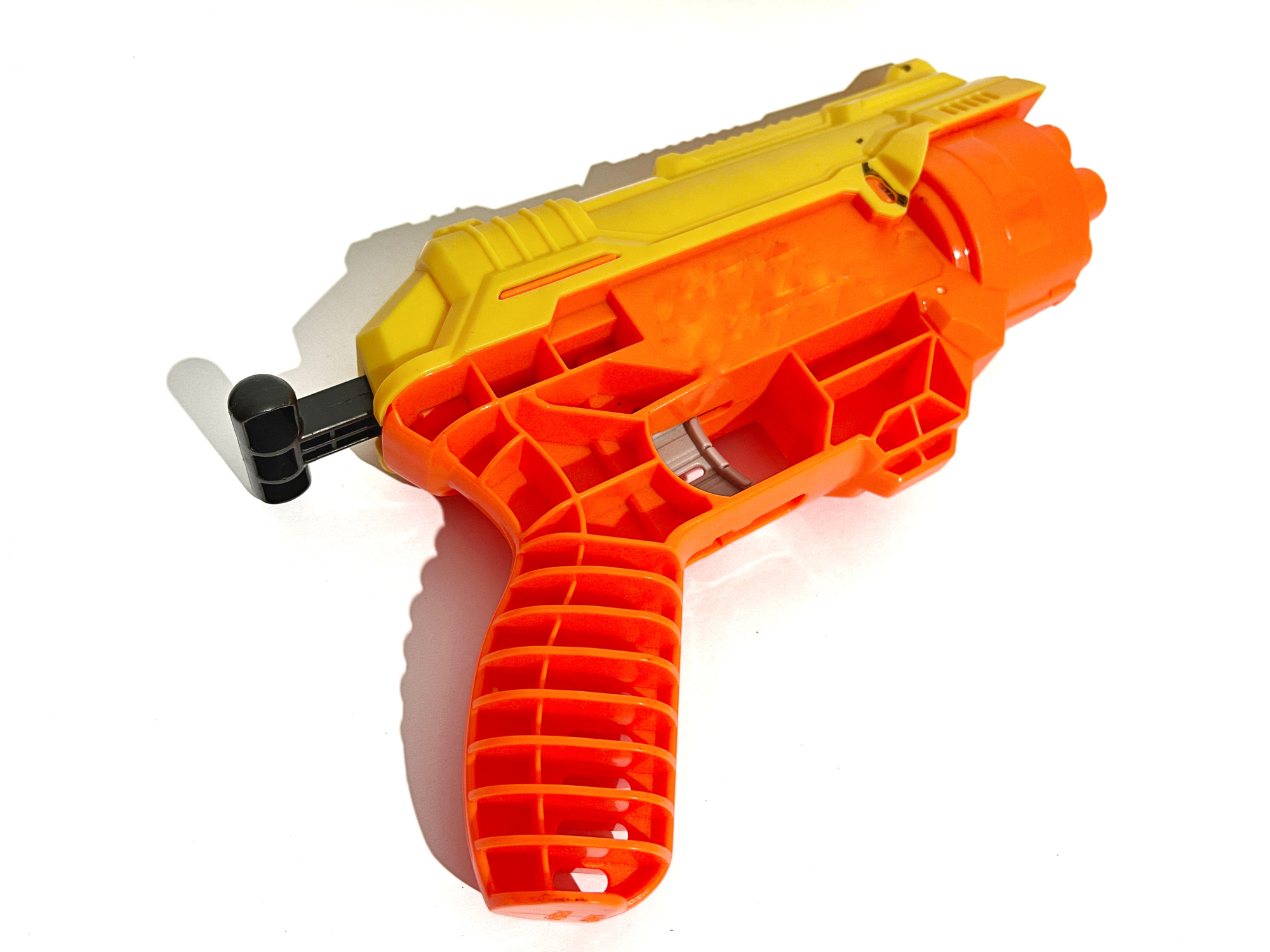
While any toy can be harmful if used inappropriately, extra care should be taken with toys used in simulated play-fighting or that launch projectiles, such as play swords or foam dart guns. These should never be swung or aimed towards the face. Many parents and children think these toys are harmless, but an unlucky hit or shot to the eye can cause injuries, including scrapes and bleeding inside the eye.
Balls and bats
Budding athletes face all sorts of injuries on the field and in the backyard, where it’s all too easy to be struck in the face by balls, fingers, elbows, or equipment. A blunt force hit or poke in the eye can cause bleeding or retinal detachments, which require immediate medical attention. A child who complains of blurry or cloudy vision, light sensitivity, or flashes should see a doctor to check for an internal injury to the eye.
Well-fitting protective eyewear can prevent up to 90 percent of sports-related injuries. Though few sports require routine eye protection, all children can benefit from wearing it, especially those with poor vision, a history of eye surgery, or strong vision in only one eye.
Pet problems
Eye doctors frequently care for young children who suffer a dog bite near the eye. The family dog may be well-trained, but pet behavior can be unpredictable. Often a dog bite near the cheek or eye will damage tear ducts. Parents can help avoid injury by teaching youngsters how to interact safely with pets.
Supervised play is one of the best ways to help reduce risky situations as children grow and gain an understanding of the potential dangers of their behavior.
Screen strain
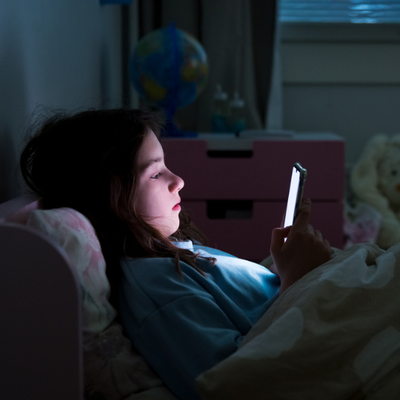
Many children spend extended time on screens—for schoolwork, entertainment, and play—which can lead to digital eye strain. Also known as computer vision syndrome, this condition can cause symptoms like:
- Dry eyes
- Blurred vision
- Headaches
- Difficulty focusing
- Light sensitivity
Kids may not always recognize or communicate these issues, so it’s important for parents to watch for signs such as squinting, frequent eye rubbing, or complaints of tired eyes.
To help reduce eye strain, encourage regular screen breaks using the 20-20-20 rule: every 20 minutes, look at something 20 feet away for at least 20 seconds.
Minor accidents are part of growing up but so is learning how to stay safe. With the right safety precautions and regular eye care, your child’s vision can stay on a healthy path.
Pediatric Ophthalmology at Flaum Eye Institute
Our Pediatric Ophthalmology team provides expert, compassionate care for children with a wide range of eye conditions—from common vision issues to complex disorders. Using the latest diagnostic tools and treatment options, we tailor care to each child’s unique needs.
link