
24/12/2025
Protecting Children’s Eyes in UAE Schools: Myopia, Screens, and Outdoor Time
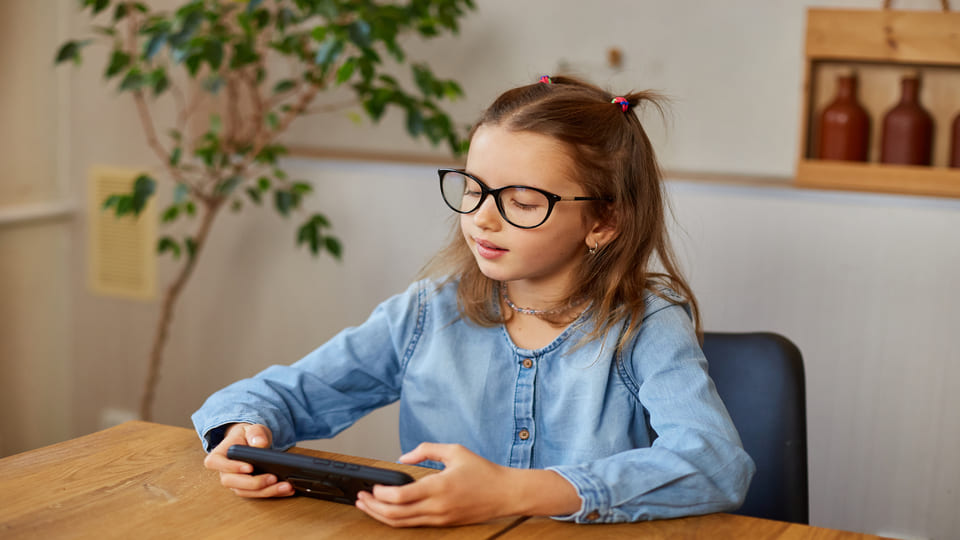
If you are a parent in the UAE, you have likely said this more than once: “Put the iPad down.” “Take a break from the screen.” “Go outside for a bit.” You are certainly not alone. Across the country, parents are noticing that children need glasses at much younger ages than before.
Myopia, or nearsightedness, is increasing globally, but the rise among children in the UAE is particularly concerning. At Barraquer Eye Hospital, we see a growing number of school-aged children each year with blurred distance vision, frequent headaches, and difficulty seeing the classroom board. Teachers often report similar signs, such as squinting, leaning forward, or reduced concentration during lessons.
The positive news is that myopia is not random and, in many cases, can be slowed down. There are clear reasons behind its increase and practical steps parents can take to protect their child’s eye health. Understanding what is happening in UAE schools is the first step.
Why Myopia Is Increasing Among Children in the UAE
Several lifestyle and educational factors are contributing to the rise of myopia, particularly in school-aged children.
1. Increased Screen Use
Children today spend long hours using:
Digital learning is now a standard part of classroom education. However, prolonged screen use reduces blinking, leading to eye strain and difficulty maintaining focus. Extended near work encourages the eye to grow longer, which is a key cause of myopia development.
2. Limited Outdoor Time
Global research consistently shows that children who spend more time outdoors have a lower risk of developing myopia. Natural daylight helps regulate eye growth and supports retinal health.
In the UAE, outdoor time is often limited due to:
-
High temperatures
-
Busy academic schedules
-
Extended homework hours
-
Indoor entertainment
As a result, many children spend most of their day indoors, frequently engaging in screen-based activities.
Signs Your Child May Be Developing Myopia
Parents should be alert to early warning signs, including:
-
Squinting to see the classroom board
-
Sitting very close to the television
-
Holding books or tablets too close
-
Frequent headaches
-
Complaints of blurred distance vision
-
Excessive eye rubbing
-
Difficulty seeing in low-light conditions
If you notice any of these symptoms, a comprehensive eye examination is recommended rather than a basic vision screening.
How Parents Can Protect Their Child’s Eyes: Practical Steps
Screens are now an unavoidable part of education, but balanced habits can significantly reduce eye strain and myopia risk.
1. Follow the 20-20-20 Rule
Every 20 minutes, encourage your child to look at something at least 20 feet away for 20 seconds. This relaxes the eye muscles and helps prevent digital eye strain.
2. Increase Outdoor Time
Research shows that 40 to 60 minutes of outdoor activity per day can substantially reduce the risk of myopia. Even short walks after school or outdoor play during cooler months can make a difference.
3. Maintain Proper Viewing Distance
Teach your child:
-
Tablets should be held at arm’s length
-
Televisions should be viewed from at least 2–3 meters away
-
Books should be held 30–40 cm from the eyes
Holding screens or books too close increases visual strain and accelerates myopia progression.
4. Ensure Adequate Lighting
Poor lighting places additional stress on the eyes. Make sure your child’s study area is well lit, particularly during the winter months.
5. Set Healthy Screen Boundaries
Simple rules can be effective, such as:
Small, consistent changes can have a lasting impact.
6. Schedule Regular Eye Examinations
Many children do not recognize vision problems because they assume their vision is normal. Annual eye examinations are essential for early detection.
At Barraquer Eye Hospital, we use child-friendly diagnostic tools, including:
-
Cycloplegic refraction for accurate prescriptions
-
Myopia progression analysis
-
Corneal topography
-
Axial length measurements
-
Tear film evaluation
These assessments allow early identification of risk factors and clear guidance for parents.
How Barraquer Helps Control Myopia Progression
Even if a child has already developed myopia, effective management options are available. At Barraquer, we offer:
-
Myopia control glasses
Designed to reduce eye strain and slow eye elongation. -
Specialized myopia control contact lenses
Safe and effective options for children who can manage proper lens hygiene. -
Low-dose atropine therapy
A scientifically supported treatment used worldwide to slow myopia progression. -
Personalized lifestyle guidance
Each child’s visual habits and risk factors are different, so recommendations are tailored individually.
Early intervention is critical, as myopia often progresses rapidly between the ages of 7 and 15.
Conclusion
Children in the UAE face unique visual challenges, including high screen exposure, limited outdoor activity, and demanding academic schedules. With greater awareness and simple daily habits, parents can play a crucial role in protecting their children’s eyesight.
Vision directly affects how children learn, play, and experience the world. Regular eye examinations and proactive lifestyle adjustments can help ensure clear vision and long-term eye health. At Barraquer Barraquer Eye Hospital, we support families at every stage, from early detection to advanced myopia management.
For consultation, please contact us:
- Email: [email protected]
- Phone (Outside the UAE): +971 4 573 9999
- Toll-Free (Within the UAE): 800 234823 (BEHUAE)
- Availability: 7 days a week, from 8:30 AM to 6:00 PM
Extended hours on Monday until 8:00 PM
link