
William Madigan Jr., MD, FACS, FAAP, is chief of the Division of Ophthalmology at Children’s National Hospital.
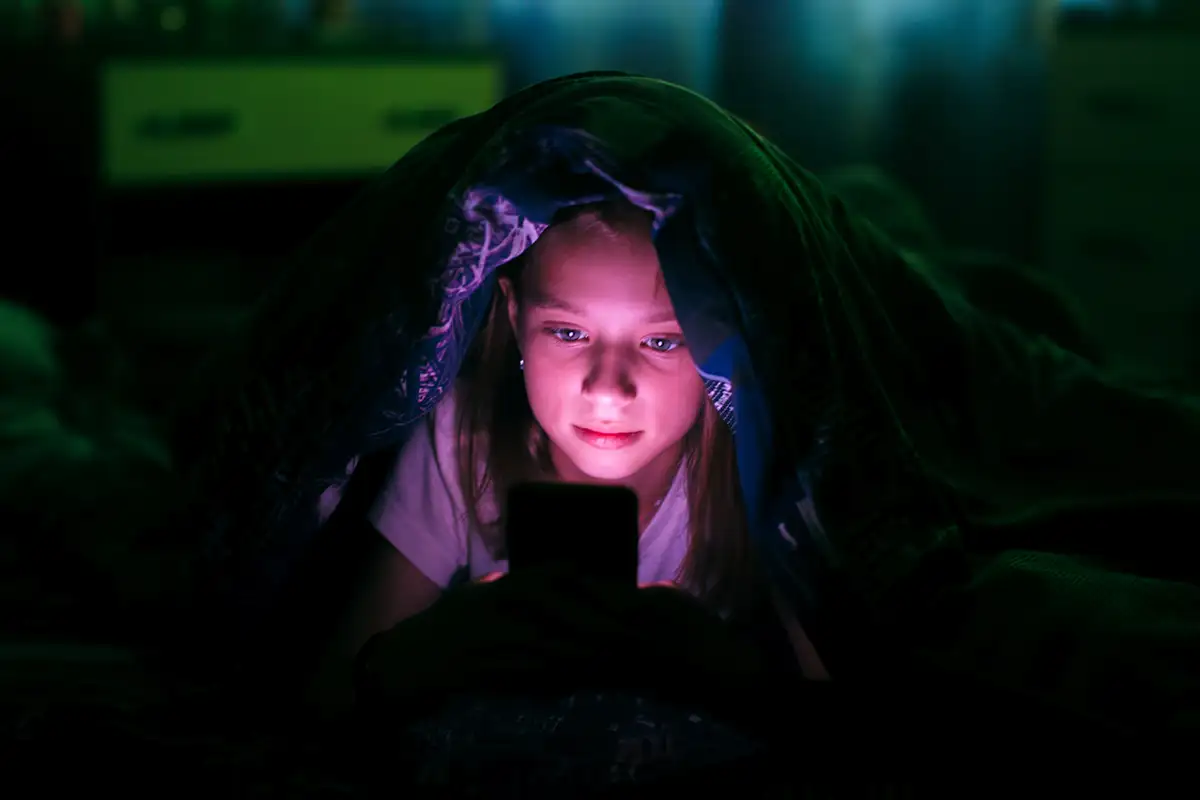
In a time when kids spend a lot of time looking at screens, it’s important to know how to maintain your child’s eye health.
Myopia, or nearsightedness, often happens when the eyeball grows too long or the cornea is curved too steeply, making it hard to see things far away. It is a common problem in children. Luckily, there are several ways you can prevent the development, or worsening, of myopia as they grow.
In the United States, myopia has doubled over the past 30 years, affecting approximately 4 percent of children under the age of 6 and almost 9 percent of those between the ages of 5 and 17. The rise in myopia, expected by researchers to affect half the world by 2050, is likely due to many factors, but could be related to the amount of near visual activity to which they are exposed. The prevalence of digital devices and screens in everyday life is adding to this near vision workload and possibly contributing to the increasing number of those with nearsightedness in the U.S.
While it is next to impossible for children to avoid screens entirely, given the wide use of laptops and tablets in school and all the other devices that your children can encounter regularly, there are several key recommendations for protecting your child’s eye health.
Limit Screen Time
Excessive screen time can lead to strain on the eyes, especially in children whose eyes are still developing. For better eye health, limit screen use, ideally to no more than one hour a day for kids ages 2 to 5. Make sure screens don’t replace outdoor play or face-to-face interaction. Setting healthy habits early can help protect kids’ vision as they grow.
Take Breaks
The best way to prevent eye strain from screens, or anything that keeps your eyes focused up close, is to give your eyes a chance to rest. Encourage your children to look away from what they’re doing once an hour and look off into the distance for 5 to 10 minutes.
Head Outside
Spending time outdoors is a great way to protect kids’ eyes from the strain of excessive screen time. Research shows that natural light and distant views help relax the internal eye muscle and can reduce the risk of developing, or increasing, nearsightedness. Encouraging your child to play outside regularly not only supports eye health but can promote overall well-being.
Get an Eye Exam
Eye exams aren’t just for when something feels wrong, they can help spot vision issues before they impact your child’s daily life. These days, pediatricians have new tools with photo screening devices which increase screening accuracy. Regular screenings allow for early detection of conditions like nearsightedness, making it easier to address them. Every child should have a professional dilated examination before their sixth birthday, or earlier if there is a family history of eye problems.
Make sure to keep an eye on your child’s ocular health. The bottom line: Less screen time and more time outside helps protect your child’s eyesight and could even help your own.
Feature image, stock.adobe.com
link